Solar power systems, lithium battery storage and solar-driven water solutions, planned around your site. Talk to Mass Energy in Rawalpindi about the right option for your property or project.
Mass Energy is a solar energy company based in Rawalpindi. Our tagline, For Brighter Tomorrow, reflects what we believe solar can offer: cleaner electricity generated from sunlight, right where you use it.
Alongside solar power systems, Mass Energy installs lithium battery storage and designs solar-powered solutions for water pumping, drainage, purification and monitoring.
Every property and project is different, so every conversation starts with the basics: how you use electricity, what your site can accommodate and what you want the system to achieve. When you are ready, we can prepare a quote for your project.
Straightforward explanations of how solar works and what to expect, without the jargon.
Planned around your site
Recommendations shaped by your roof or site, the way you use energy and the goals you set.
Realistic expectations
Generation, backup and savings depend on many factors. We explain which ones apply to you.
02Solar solutions
Understand your solar options
Solar systems are usually described by where they are installed and what they need to do. Use these common categories as a starting point, then talk to Mass Energy about what suits your property.
The right system depends on your site, energy use and budget. Contact us to confirm which options are available for your project.
Residential solar
Panels on a roof or raised frame generate electricity for your household during daylight hours, reducing how much power you draw from the grid.
Things to consider
Usable roof or terrace space, orientation and shading
How much electricity your household uses, and when
Larger systems for shops, offices, factories and other commercial buildings, where daytime electricity demand often lines up well with solar generation.
Things to consider
Roof structure, available area and safe access
Operating hours and daytime energy demand
Electrical infrastructure and connection requirements
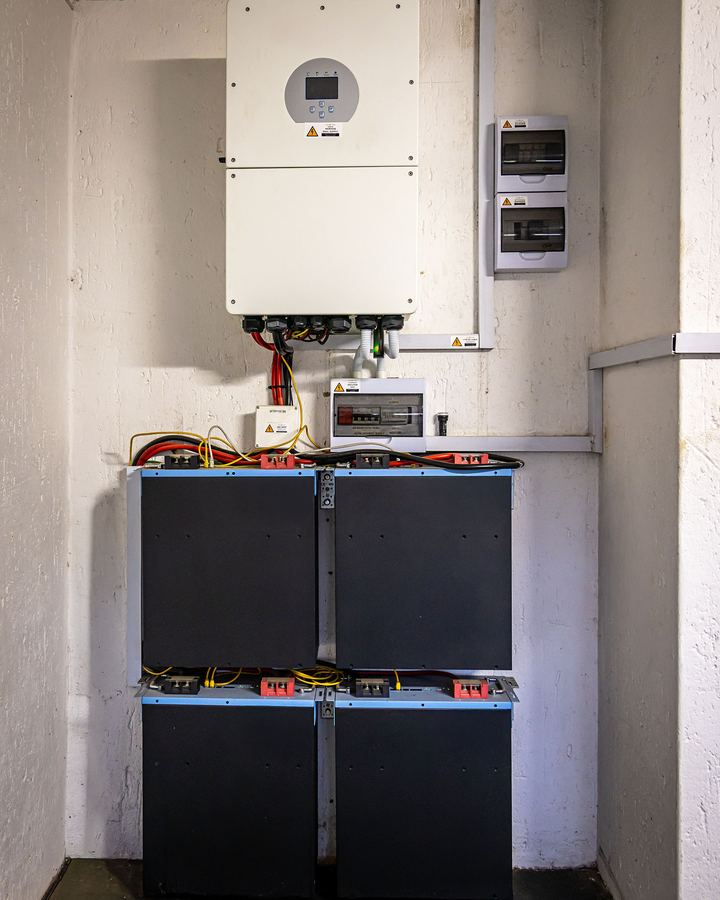
Mass Energy installs lithium battery systems that store surplus solar energy for later and, with a backup-capable inverter, keep selected circuits running during power cuts.
Things to consider
Which appliances or circuits you want to keep running
Mass Energy installs lithium battery systems that store energy from your solar panels for when you need it most: in the evening, during power cuts and load-shedding, or at sites with no grid connection.
Longer service life
Lithium batteries typically handle many more charge cycles than lead-acid, so they need replacing less often.
More usable capacity
Most of the rated capacity can be used day to day without shortening battery life.
Fast, efficient charging
Lithium accepts charge quickly and wastes less energy, making the most of limited sunshine hours.
Built-in protection
An integrated battery management system (BMS) monitors voltage, current and temperature to protect the cells.
Compact, low maintenance
Smaller and lighter than lead-acid for the same usable energy, with no water top-ups.
Room to grow
Many systems can be expanded with extra battery modules later, depending on the battery and inverter.
Solar panels power your home or business first, and surplus energy charges the lithium battery.
Evening
After sunset, the battery supplies the energy it stored during the day, so you draw less from the grid.
Power cut
If the grid fails at night, a backup-capable inverter isolates your system and the battery keeps selected circuits running.
Lithium and lead-acid batteries compared
A general comparison to help you weigh up the options.
Feature
Lithium
Lead-acid
Usable capacity
Most of the rated capacity can be used regularly
Regular deep discharge shortens life, so less is usable day to day
Service life
Typically many more charge cycles
Fewer cycles before replacement is needed
Charging
Fast, with little energy lost
Slower, with more energy lost as heat
Maintenance
Minimal; a built-in BMS protects the cells
Periodic checks; flooded types need topping up with water
Size and weight
Compact and lighter
Larger and heavier for the same usable energy
Upfront cost
Usually higher
Usually lower
General guidance only. Capacity, lifespan and backup time depend on the specific battery, its rating, the system design and how it is used.
04Water & IoT solutions
Solar power for water and smart infrastructure
Beyond rooftops, Mass Energy applies solar power and lithium storage to water: pumping and drainage, purification, and the monitoring and power systems that keep water infrastructure running.
Category 01
Off-Grid Solar Water Solutions
Off-Grid Solar Water Pumping & Drainage
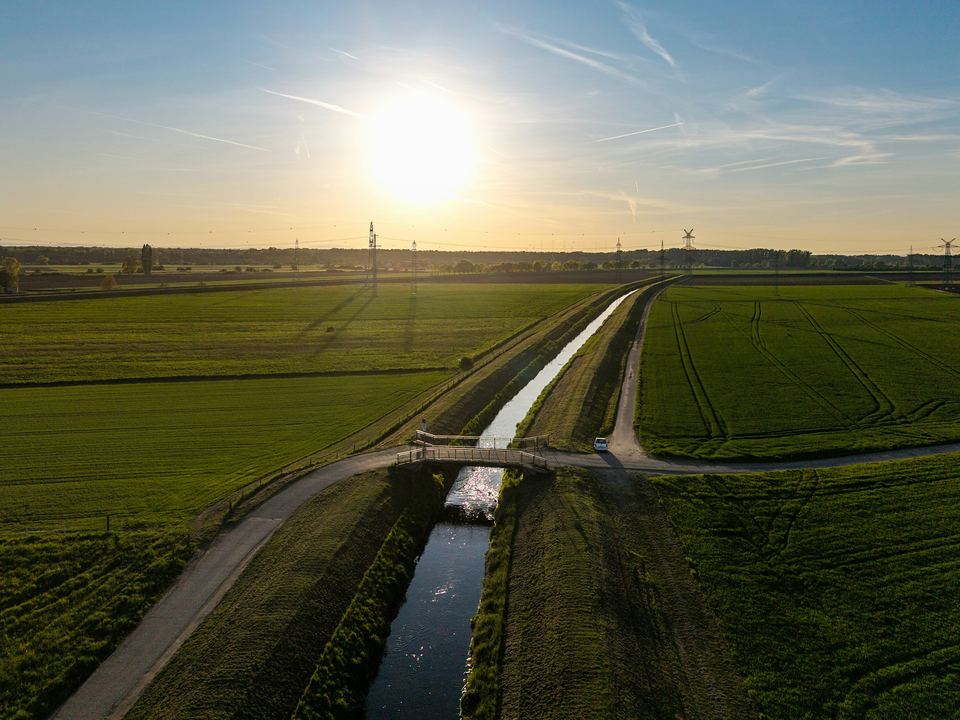
Autonomous, solar-driven pumping stations for flood control, stormwater retention and agricultural drainage, designed to operate independently during grid outages and extreme weather.
Flood control
Stormwater retention
Agricultural drainage
Solar Desalination & Water Purification Units
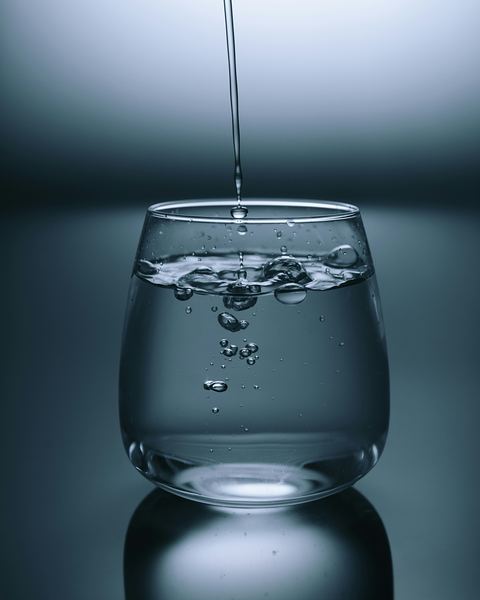
Solar PV combined with modular filtration or reverse osmosis systems, creating decentralised clean drinking water solutions powered entirely by off-grid solar energy.
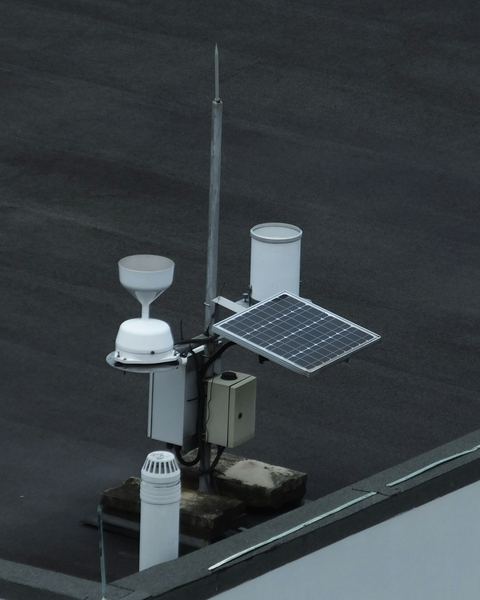
Small solar panels and lithium storage integrated into IoT sensors that monitor stream water quality, sewer overflow levels and groundwater movement in real time.
Stream water quality
Sewer overflow levels
Groundwater movement
Grid-Independent Microgrids for Water Utilities
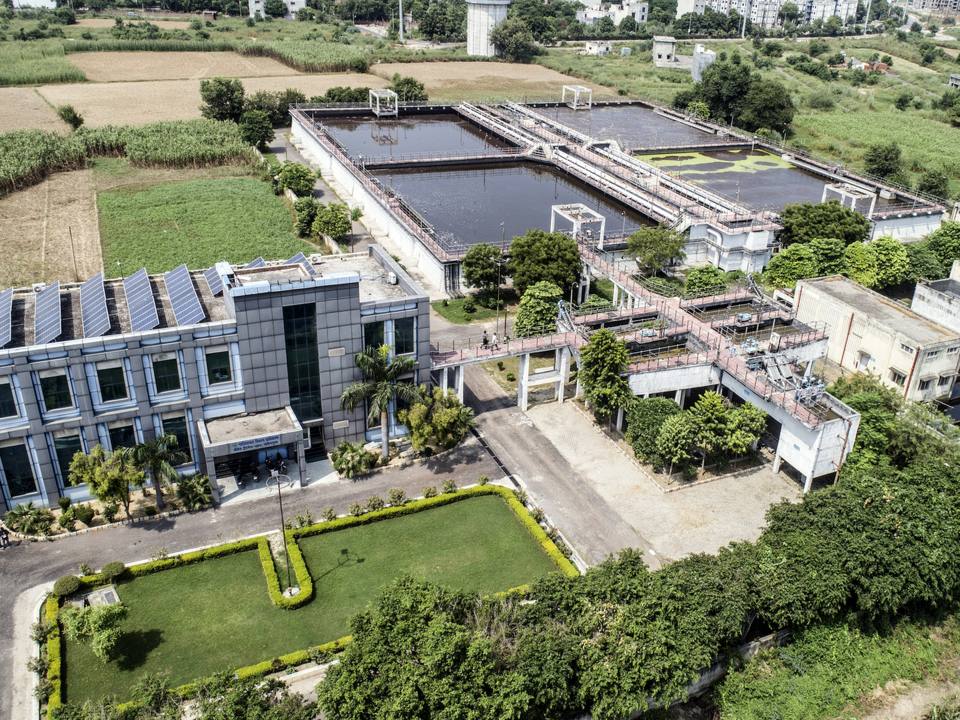
Hybrid solar and lithium battery storage set-ups tailored to keep municipal water treatment and wastewater pumping facilities online during peak loads and blackouts.
Solar is a practical way to produce some of your own electricity. Here is what it can do, and what depends on how your system is designed.
Electricity from sunlight
Solar panels convert daylight into electricity that can power your home or business while the sun is up.
Less reliance on bought power
Each unit of solar electricity you use on site is a unit you do not need to buy from the grid.
A clearer view of energy use
Many inverters include monitoring, so you can see when your system generates power and adjust how you use it.
Backup, if configured for it
Keeping power on during outages needs a suitable inverter and, usually, batteries. Grid-tied systems without batteries normally switch off during a power cut for safety.
Cleaner electricity
Solar panels generate electricity without burning fuel, so there are no emissions at the point of use.
Modest upkeep
Panels have no moving parts. Periodic cleaning and routine checks help keep them performing well.
Results vary. Generation and savings depend on location, orientation, shading, dust, equipment, system size, electricity tariffs and how you use energy.
06How it works
Your path to solar, in four stages
A typical project follows these stages. The details can vary with the size and type of system.
01
Consultation
We talk through your goals, your electricity use and any questions you have about going solar.
02
Site Assessment
Your roof or site is reviewed for usable space, orientation, shading, structure and electrical set-up.
03
System Proposal
You receive a proposed system design and quotation to review, with the recommended equipment explained.
04
Installation and Handover
The approved system is installed and tested, then handed over with guidance on how it works and how to look after it.
Timelines and scope are confirmed for each project during the consultation.
Thinking about solar for your property?
Share a few details about your site and electricity use, and we will help you understand your options.
General answers to questions people often ask about solar power, lithium batteries and solar water systems. For advice about your own property or project, get in touch.
Solar panels turn sunlight into direct current (DC) electricity. An inverter converts it into alternating current (AC), the type your appliances use. The electricity is used on site first and, depending on the design, surplus energy can be stored in batteries for later.
Yes, but output falls when clouds block direct sunlight. Panels produce the most electricity in strong, direct sun and none at night, which is why system sizing considers the whole year rather than a single day.
It depends on the configuration. Standard grid-tied systems without batteries usually shut down during an outage as a safety measure. Hybrid systems with batteries can be designed to supply selected loads during a power cut. How much they can run, and for how long, depends on battery capacity and what you are using.
It depends on the size of the system and the panels used. A site assessment checks usable area, orientation, shading and access to work out what can realistically fit.
Key factors include system size, panel orientation and tilt, shading from nearby buildings or trees, dust on the panels, high temperatures, and the quality of the equipment and installation.
Panels have no moving parts, but dust and dirt reduce output, so periodic cleaning helps. It is also sensible to check the inverter, wiring and mounting from time to time. How often depends on local conditions.
Your electricity bills are a good starting point, because they show how much energy you use. Your goals matter too, such as reducing daytime consumption or keeping essentials running during outages. A consultation brings these together with what your site allows.
Often, yes, but it depends on your inverter. Many hybrid inverters work with lithium batteries and communicate with the battery management system, while older or grid-tied inverters may need replacing or extra equipment. Mass Energy can check compatibility before recommending a battery.
Lithium batteries usually last many more charge cycles, let you use more of their capacity, charge faster and need less maintenance. They typically cost more upfront, so the right choice depends on how much you rely on the battery and on your budget. See the lithium and lead-acid comparison.
Lifespan is usually quoted in charge cycles and years, and depends on the battery model, how deeply it is discharged, operating temperature and charging practices. Check the manufacturer's cycle rating and warranty terms for the specific battery.
Lithium iron phosphate (LiFePO4), the chemistry most widely used for solar storage, is known for its thermal and chemical stability. Safety also depends on quality batteries with a built-in battery management system, correct cabling and protection, and installation in a suitable location within the manufacturer's limits.
Yes. Off-grid pumping systems run directly from solar panels, and water storage tanks or batteries can cover periods without sunshine. The design depends on the flow required, the lift (head) and the hours of operation.
08Contact
Request a quote or ask a question
Tell us about your property and what you would like to achieve, or contact Mass Energy directly.